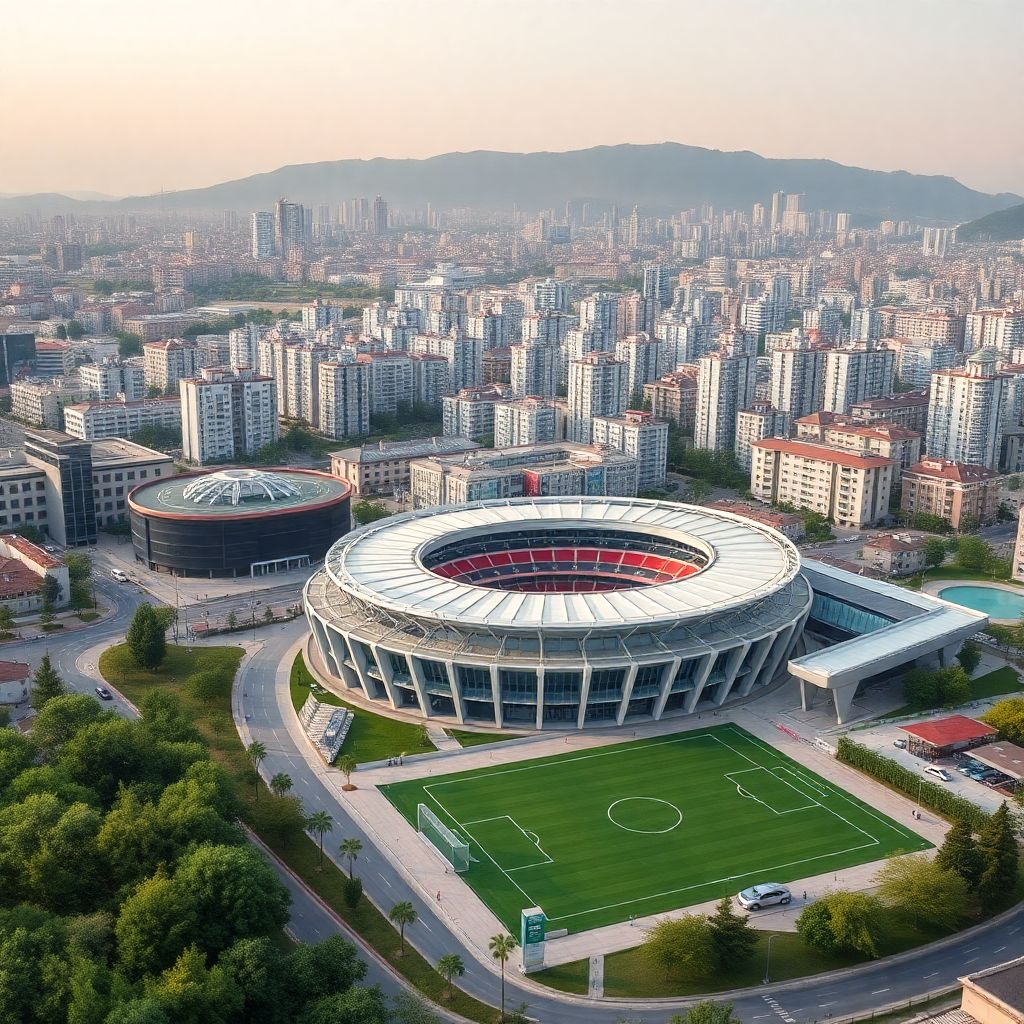
Sports infrastructure investment in Turkey is reshaping performance pathways, local economies and community health by modernising stadiums, training hubs and grassroots facilities. To invest in Turkish sports infrastructure safely and effectively, decision‑makers must align public and private capital, plan long-term operations, protect social equity, and evaluate outcomes with clear, realistic performance and sustainability metrics.
Strategic highlights of Turkey’s sports infrastructure transformation
- Public private partnerships in Turkey sports infrastructure are unlocking capital but require disciplined risk allocation, transparent contracts and realistic demand forecasts.
- Turkey sports facilities development projects increasingly bundle elite training needs with community access, especially in multi-use complexes.
- Urban-rural gaps remain significant; targeted regional hubs and school-based upgrades can rebalance opportunity.
- Turkey stadium construction and renovation market dynamics are shifting from pure capacity growth to multi-purpose, revenue-diversified venues.
- Legacy planning for mega-events must prioritise conversion to community, education and tourism use from day one.
- Structured monitoring of economic, social and environmental outcomes keeps projects accountable beyond ribbon cuttings.
- Local federations and municipalities that treat facilities as long-term services, not one-off assets, achieve more stable returns.
Public-private financing models reshaping facility development
Public-private financing models are central to contemporary sports infrastructure investment in Turkey. They can accelerate delivery, bring professional facility management, and reduce immediate fiscal pressure on municipalities or ministries. When designed carefully, they also attract international investors looking to enter the Turkey stadium construction and renovation market with predictable, concession-style revenues.
These models are suitable when:
- There is clear, stable demand for the facility (club tenants, events calendar, community memberships).
- The public authority has capacity to negotiate and monitor complex, long-term contracts.
- Land rights, zoning and environmental approvals are already de-risked.
- Tariff structures (ticketing, memberships, sponsorships) can realistically cover operating costs and a share of capital costs.
- Political stakeholders agree that some commercialisation (naming rights, retail, events) is acceptable.
These models are risky or inappropriate when:
- The main justification is prestige rather than demand or community need.
- The public party cannot clearly explain future payment commitments and contingent liabilities.
- Local clubs or communities cannot afford projected user fees, risking underuse or social backlash.
- The project depends on optimistic assumptions about tourism, events or sponsorship that lack evidence.
- Transparency norms are weak, making it hard to audit construction costs and service quality.
For safer engagement with public private partnerships in Turkey sports infrastructure, public entities should:
- Commission independent feasibility studies and value-for-money analyses before structuring deals.
- Standardise contracts where possible (availability payments, performance indicators, maintenance responsibilities).
- Cap public guarantees and ensure contract summaries are publicly accessible.
- Include step-down mechanisms if usage or revenues underperform, sharing pain rather than socialising all losses.
- Embed social clauses: mandatory hours for community access, discounted use for schools and federations.
Modernizing training centers: scaling from local gyms to high-performance hubs
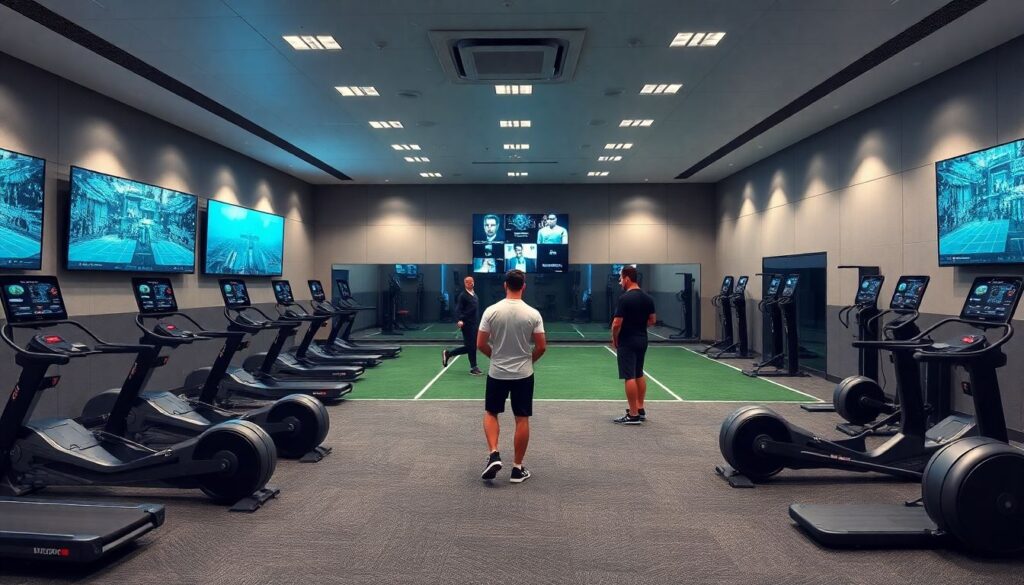
Modernising training centres in Turkey requires more than new equipment. The shift from basic local gyms to high-performance hubs involves facility design, staff competencies, digital monitoring and strategic partnerships with clubs, universities and federations. Many Turkey sports facilities development projects now mix strength conditioning, sport science and medical services in one ecosystem.
Core requirements for an effective upgrade:
- Facility and layout standards
- Separate zones for youth, elite athletes and general public to avoid conflicts and safety issues.
- Indoor-outdoor combinations where climate allows, including running tracks and small-sided pitches.
- Accessibility features: ramps, lifts, adapted equipment for para-athletes and older users.
- Equipment and technology
- Durable, commercial-grade cardio and strength equipment suitable for high utilisation.
- Video analysis tools for technique work in sports like football, basketball, athletics and combat sports.
- Basic sport science instrumentation (force plates, timing systems, heart-rate and GPS monitoring) for elite tiers.
- Human resources and governance
- Certified strength and conditioning coaches and sport medicine support (physiotherapy, sports physician partnerships).
- Clear governance: who sets training priorities (club, municipality, federation), and how conflicts are resolved.
- Data protection policies for athlete monitoring systems, compliant with local regulation.
- Operational model and pricing
- Tiered access models: base community membership, advanced performance packages, team rentals.
- Agreements with schools for scheduled daytime use, increasing occupancy outside peak hours.
- Maintenance reserves built into pricing or subsidies to avoid rapid degradation of equipment.
- Partnerships and integration
- MoUs with universities for internships, joint research and sport science support.
- Formal pathways with local clubs and federations to channel promising talents into structured programs.
- Collaboration with health providers to run prevention and rehabilitation programs.
Before upgrading, investors who want to invest in Turkish sports infrastructure should map likely user groups, confirm anchor tenants (clubs, academies), and plan staffing and maintenance costs at realistic salary and utility levels.
Regional development strategies to bridge urban-rural athletic gaps
Bridging urban-rural gaps is essential if sports infrastructure investment in Turkey is to benefit the entire athletic landscape. Many rural and secondary cities lack basic, safe facilities even as flagship arenas are built in major metros. Strategically designed regional hubs and school-based facilities can rebalance opportunity without overbuilding.
Key risks and limitations to recognise before acting:
- New facilities in low-density areas may be underused if programming and transport are not addressed.
- Elite-focused facilities can drain local budgets while leaving grassroots needs unmet.
- Maintenance capacity and spare parts supply can be weaker in rural regions.
- Local clubs and schools may lack trained staff to operate more advanced equipment.
- Centralised planning without local consultation can create mismatches between facilities and actual sports culture.
Use the following stepwise approach to design safer, realistic regional development strategies.
- Map current assets and participation patterns
Start with a regional inventory of pitches, courts, halls, pools and school facilities, noting condition and accessibility. Overlay this with participation data from schools, clubs and local federations to see which sports are actually played and where gaps are greatest. - Define regional roles for each facility type
Assign clear functions: district-level community centres, regional performance hubs, school-based daily access facilities. For each, specify target users and travel-time expectations so that Turkey sports facilities development projects do not compete with one another or cannibalise usage. - Sequence investments based on safety and basic access
Prioritise making existing school and municipal fields safe (lighting, surfaces, changing rooms) before adding new signature projects. Only once minimum-access standards are met should higher-cost indoor arenas or specialised venues be considered. - Embed transport and scheduling solutions
Plan bus routes, school shuttles or club-organised transport so rural youth can reach regional hubs. Coordinate timetables among schools, clubs and municipalities to maximise hours in use while avoiding conflicts for key time slots like late afternoons and weekends. - Develop local capacity for coaching and operations
Pair facility investment with training programs for PE teachers, volunteer coaches and facility managers. Use national federations and universities to deliver standardised curricula and remote support to rural communities lacking specialist staff. - Introduce inclusive, low-cost entry programs
Protect equity by offering free or symbolic-fee programs for low-income youth, girls and vulnerable groups. Link participation to school attendance or health initiatives to secure additional funding channels and social impact partners. - Monitor utilisation and adapt programming
Track bookings, attendance and user feedback for each hub. If utilisation is low, adjust sport mix, opening hours or pricing instead of rushing to build additional facilities, which could strain operating budgets further.
Leveraging mega-event investments for durable infrastructure legacy
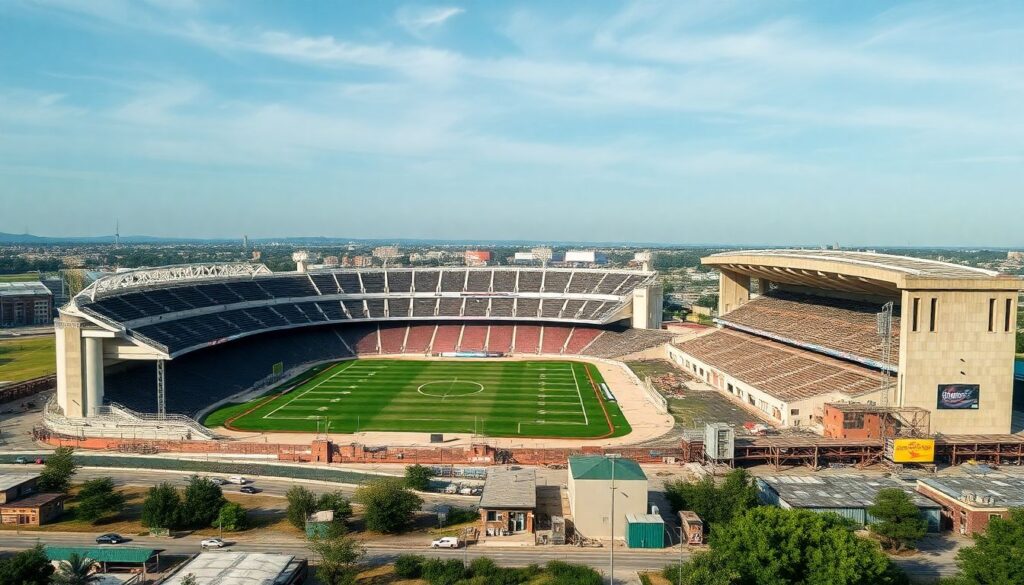
Hosting or bidding for major events can rapidly expand facilities, but without strong legacy planning, venues risk becoming underused. Use this checklist to verify whether mega-event driven investments will leave a durable, positive legacy rather than long-term fiscal burdens.
- Event venues have clearly defined post-event uses (community sport, club tenancy, concerts, education, health services).
- Temporary infrastructure is preferred over permanent where long-term demand is uncertain.
- Venue design supports flexible reconfiguration (retractable seating, modular stands, convertible training areas).
- Operating and maintenance budgets for at least a decade are identified, not just construction costs.
- Local clubs, schools and federations have signed agreements guaranteeing scheduled access after the event.
- Surrounding transport, public space and digital connectivity improvements benefit residents year-round.
- Procurement and construction contracts have performance guarantees to prevent cost overruns from eroding legacy funds.
- Environmental standards (energy efficiency, water reuse) keep long-term utility bills manageable.
- Neighbourhood consultation has shaped decisions about noise, traffic and commercial activities around venues.
- Monitoring frameworks are in place to track legacy indicators: usage hours, participation numbers, local business impact.
Expanding grassroots access: youth programs, schools and community facilities
Grassroots access is where the real athletic landscape changes. However, as more actors invest in Turkish sports infrastructure, certain recurring mistakes limit impact and deepen inequalities. Avoid the following issues when designing youth, school and community initiatives.
- Building impressive facilities but failing to fund coaches, program coordinators and volunteers.
- Setting membership or rental prices that exclude low-income families and girls, even in public venues.
- Ignoring school timetables and exams when scheduling programs, leading to low attendance.
- Underestimating the importance of safe, well-lit routes to facilities, particularly for girls and younger children.
- Neglecting basic amenities such as clean changing rooms, toilets and drinking water, which discourage sustained use.
- Offering only a narrow sport menu (often football-focused), leaving out children whose interests or abilities differ.
- Failing to coordinate between ministry of education, municipalities and federations, causing overlapping or conflicting programs.
- Lack of structured progression pathways from school and community programs into club and regional performance levels.
- No systematic measurement of attendance, dropout or satisfaction, making it impossible to improve programs over time.
- Short project cycles driven by grant funding, without planning for how programs will continue once funding ends.
Evaluating impact: performance metrics, economic returns and sustainability
Evaluating impact is critical as the Turkey stadium construction and renovation market matures and more investors seek evidence of returns. Classic financial metrics rarely capture full social and health benefits. Consider complementary or alternative approaches depending on your role and risk appetite.
- Low-cost utilisation and access monitoring
Suitable for municipalities and small clubs with limited analytical capacity. Focus on simple measures: hours booked, unique users, gender balance, school participation. This approach prioritises inclusivity over sophisticated financial modelling and can still flag underused or inequitable facilities. - Social impact and health outcomes evaluation
Appropriate for public health agencies and social investors. Track indicators such as physical activity participation, school attendance and basic health markers in communities served by new facilities. This is particularly relevant where the primary goal of sports infrastructure investment in Turkey is public health, not elite performance. - Integrated economic and performance dashboards
Best for large multi-sport complexes and city-level strategies. Combine financial metrics (revenues, operating margin) with sport performance metrics (medal counts, promotion of clubs, talent retention) and sustainability indicators (energy use, emissions). This suits sophisticated investors active in Turkey sports facilities development projects and regional authorities planning long-term portfolios. - Scenario-based risk assessment instead of precise forecasts
Useful when data quality is weak or when entering new segments of the market. Rather than claiming exact returns, test several demand and cost scenarios, and decide whether to invest in Turkish sports infrastructure with built-in buffers and options to scale up or down over time.
Practical concerns and clarifications for implementation
How can smaller municipalities engage with public-private partnerships safely?
Smaller municipalities should start with modest-scale projects, use standardised contract templates and seek support from national agencies or experienced advisors. They should avoid complex revenue-risk structures and prefer availability-based payments with clear service standards.
What is a realistic first step before launching new regional sports hubs?
Conduct a basic asset and participation mapping exercise using school, club and municipal data. This low-cost step reveals whether upgrading existing spaces or building new hubs will address the most pressing access and safety gaps.
How do we prevent elite-focused centres from excluding local communities?
Reserve defined time blocks and zones for community use in operating plans and contracts, and set differential pricing for youth, schools and clubs. Monitoring community usage should be part of performance evaluation for operators.
Is it necessary to use advanced sport science technology in every new training centre?
No. For most community and regional centres, robust basic equipment and good coaching matter more than high-tech tools. Introduce advanced sport science gradually in facilities that already have stable elite user groups and qualified staff.
How can we avoid maintenance problems in newly built rural facilities?
Choose durable materials, train local technicians, and ring-fence a portion of annual budgets specifically for maintenance. Fewer, well-maintained facilities are better than many that rapidly deteriorate due to lack of funds and expertise.
What is the safest way to test mega-event legacy concepts?
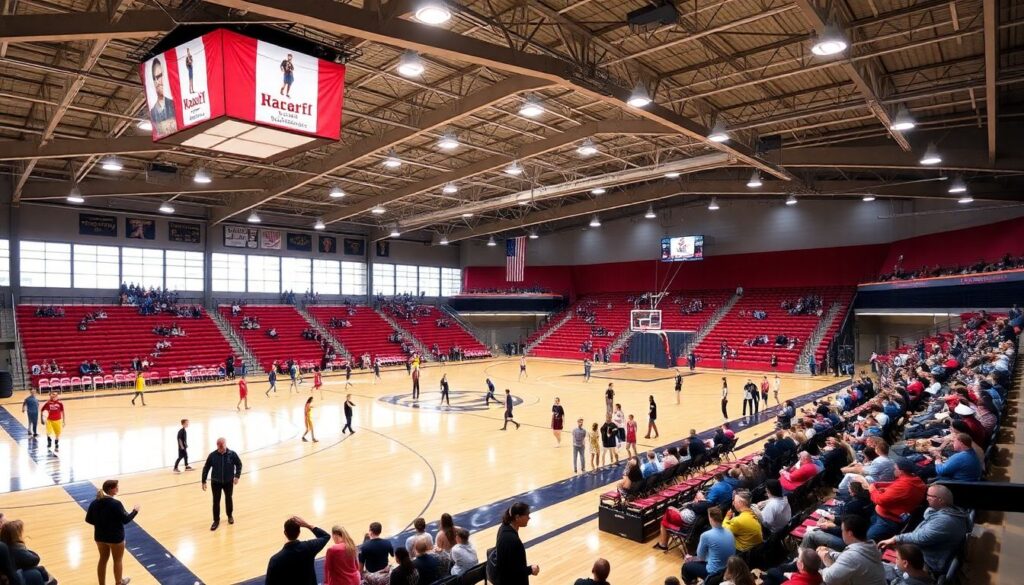
Pilot legacy uses (such as community leagues or school programs) in existing venues before finalising new-event designs. This shows which functions generate sustained demand and revenue in the local context.
How should investors handle uncertainty in Turkey’s sports infrastructure market?
Use scenario planning instead of single-point forecasts, diversify facility types and locations, and avoid over-reliance on a single tenant or event. Conservative leverage and strong public counterparties reduce exposure to shocks.
Комментарии